
01
Charge
Solar can fill the battery during the day. The grid can too, on a schedule, if the system is set up that way.
Batteries
A home battery stores electricity and can feed selected circuits when the grid drops. It is its own equipment, with its own scope, whether or not you are adding solar.
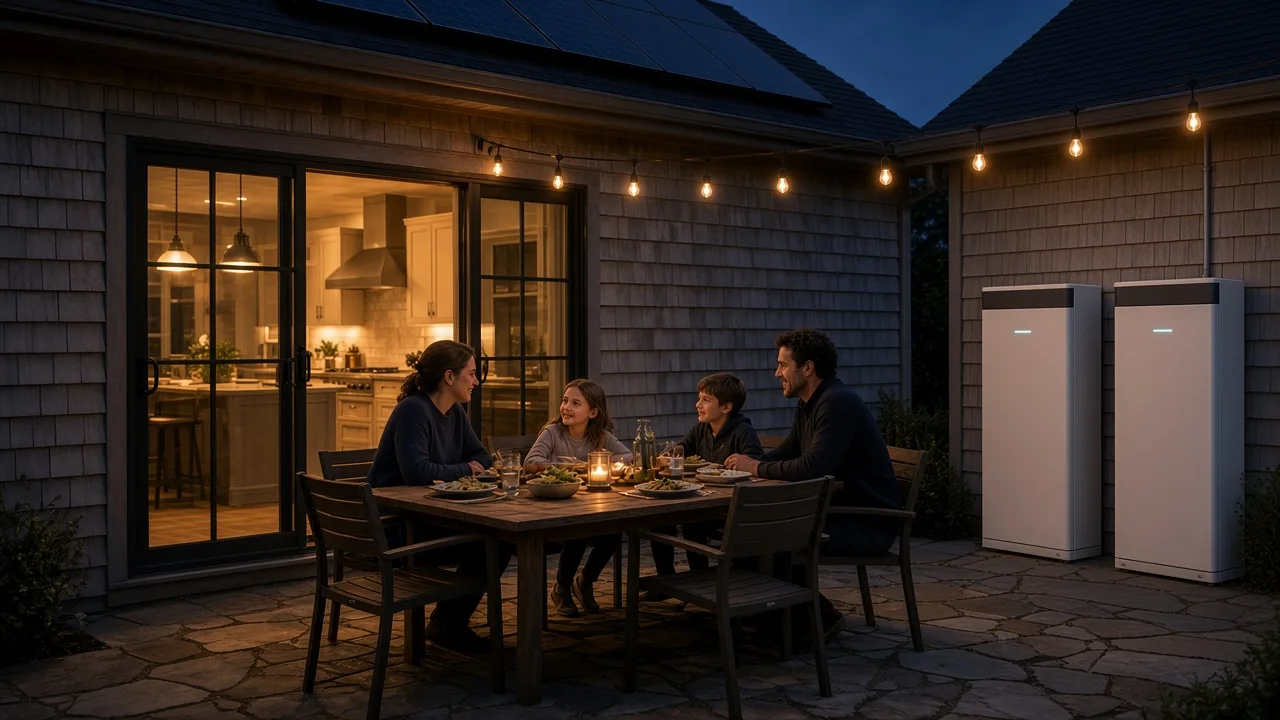
The battery charges from solar, from the grid, or from both, depending on the equipment. It discharges when you ask it to, or when the grid fails, if it was installed for that.
A typical grid-tied solar system without storage shuts off in an outage. That is a safety rule, so the array does not energize a line while people are working on it. Storage changes the picture only for the circuits wired to stay on.
Whole-home backup and a short list of essential circuits are different designs. A refrigerator, a well pump, a few lights, and the internet are the sort of loads people often choose. Your list is written down before the equipment is.
Three pieces: the battery, the inverter that can form a local grid, and the panel or subpanel that decides which circuits stay up.
01
Solar can fill the battery during the day. The grid can too, on a schedule, if the system is set up that way.
02
State of charge is what you have in reserve. Using the battery every evening for ordinary loads is a different setting from keeping it full for storms.
03
When the grid drops, the right inverter disconnects from the utility and powers the backed-up panel. Circuits that were not moved to that panel go dark.
04
When the grid returns, the system reconnects. That behavior is equipment-specific and is part of commissioning, not a guess.
You decide the circuits. The design has to fit the battery’s continuous power, not only its stored energy.
Energy stored at midday can run the house in the evening. How far it goes depends on the loads you leave on.
Some existing solar systems can take a battery. Some cannot, because of the inverter. That is checked, not assumed.
Storage is priced as storage. It is not treated as something a solar agreement quietly includes.
Ready for a look at this house? Enter the address. It opens the home check.
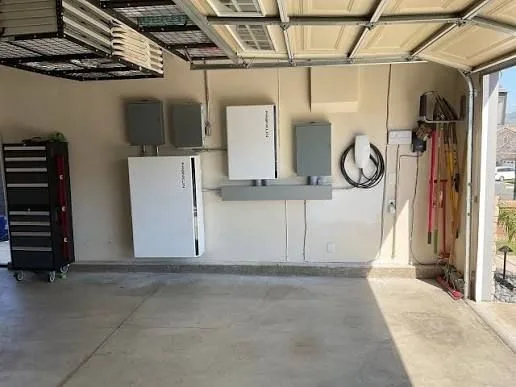
Brands and models vary by project and availability; your quote lists the exact equipment.
Qcells, Tesla, and EcoFlow are trademarks of their owners.
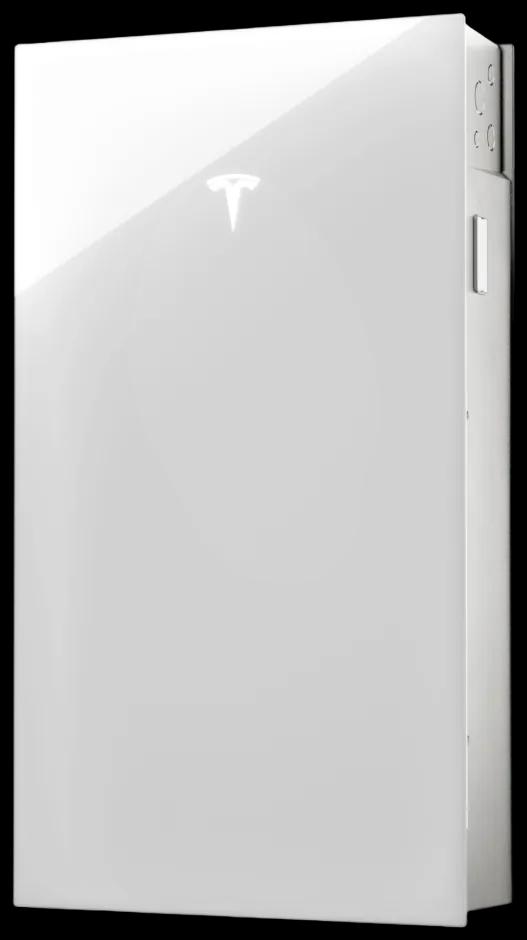
Tesla
Powerwall 3
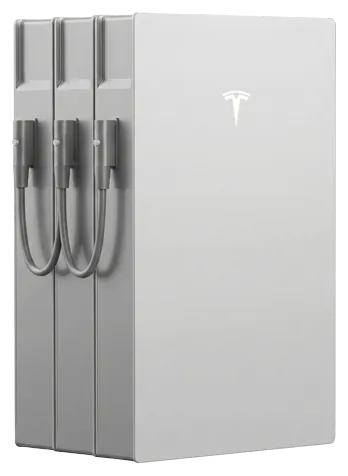
Tesla
Powerwall 3 Expansion
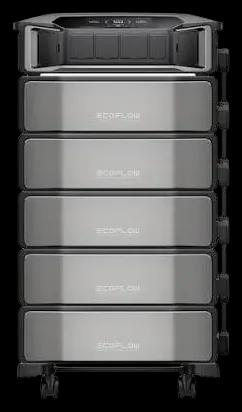
EcoFlow
DELTA Pro Ultra
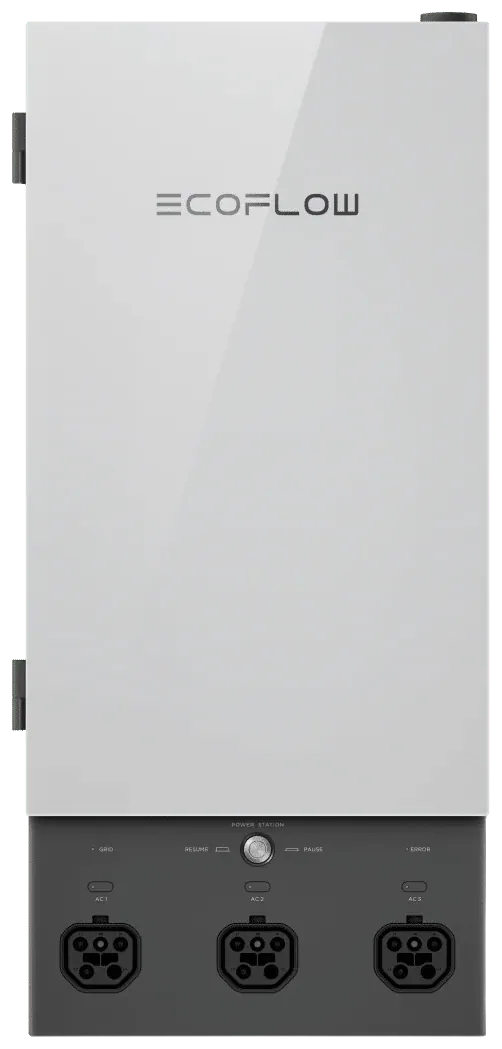
EcoFlow
Smart Home Panel 2
Drag the handle, or swipe the step.
Step 1 of 4
Say whether you already have solar, and which outages you care about. Well water and medical equipment change the design.
The next step is the home check. One form, no second form.
Each of these is a separate proposal. None of them is bundled into another agreement by default.
The array and the battery are designed together. They can still be declined separately.
Only when the inverter and the service can take it. If they cannot, the electrical work is part of the story.
A battery can charge from the grid and cover outages even if you are not adding panels.
Storage pulls other trades in. They are named so they are not a surprise.
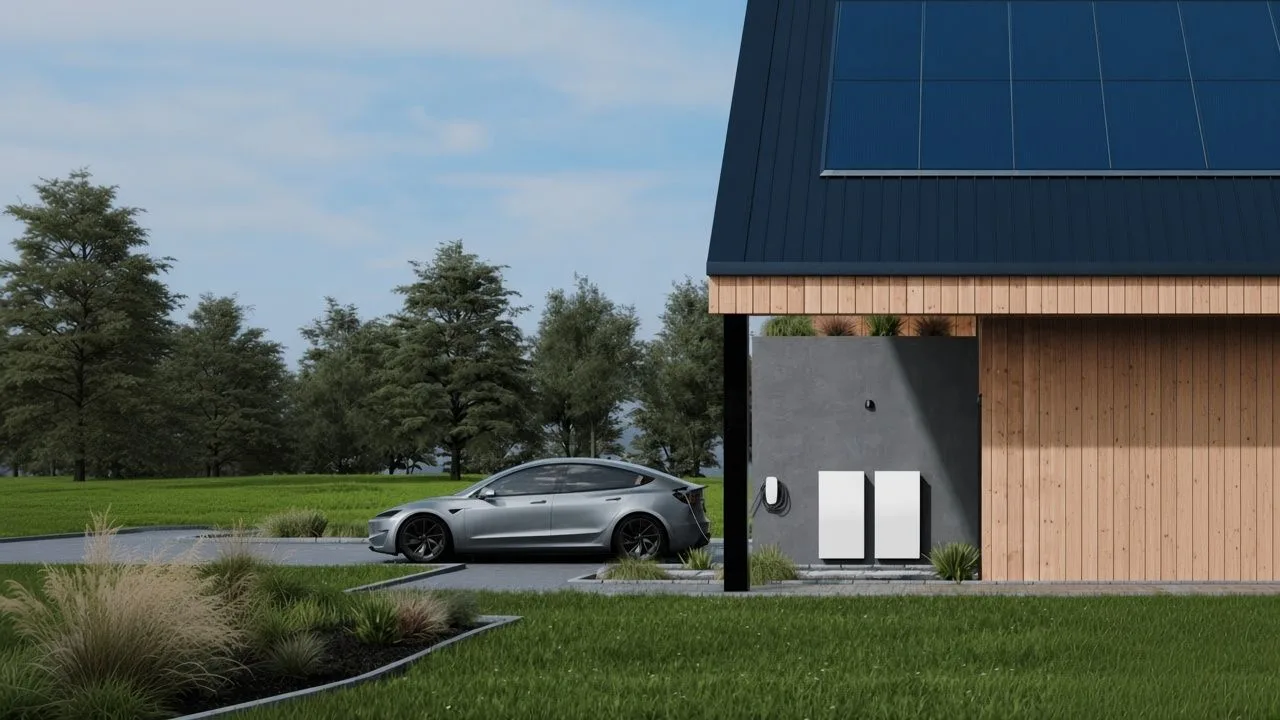
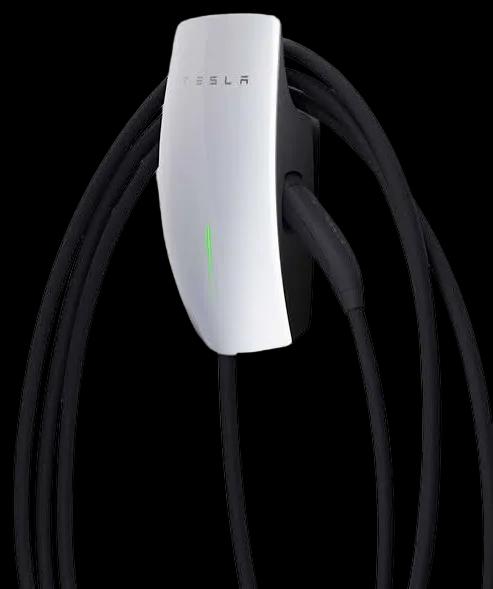
Tesla
Wall Connector
The array that may charge the battery. Size lives on the solar page, in the dial.
ExploreA critical-loads panel, a service change, or both. This is the same kind of electrical work listed on the solar add-ons.
ExploreA heat pump is a large electrical load. Backing it up takes a different battery than backing up a refrigerator.
ExploreNo. A battery is its own equipment and its own line. If you want storage, it is written into the proposal on its own.
Only if the system was designed for that, and most houses start with a shorter list. The proposal says which circuits are backed up.
Sometimes. It depends on the inverter and the electrical service. Existing solar is not a reason to assume the battery will bolt on.
That is the loads times the hours, against the usable capacity. A refrigerator and a few lights run much longer than a well pump and a heat pump together. The home check is where your list gets that math.
It can, if you choose to use stored solar in the evening. That setting spends the reserve you might have wanted for an outage. You pick the priority.
The equipment warranty is the manufacturer’s and the installer’s, as written. You still call Lela Homelife.
Check my home and say what you want on when the street goes dark.